Your Merch Is Slowly Dying on That Shelf — Here's How to Actually Store Your Collection Right
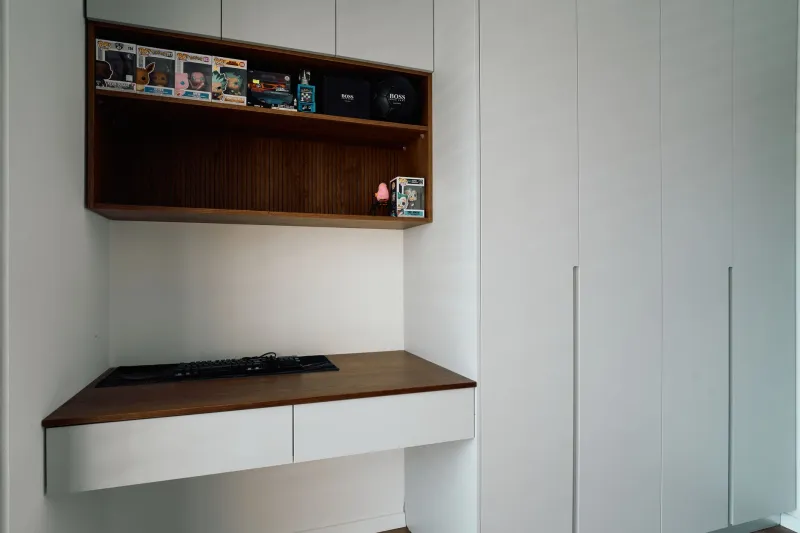
You spent three months tracking down that limited Nendoroid. You paid a premium for the unopened box variant. You maybe even argued about it in a Discord server at 1 a.m. And now it's sitting on a shelf next to a window, slowly getting cooked by afternoon sunlight while the humidity from your bathroom creeps down the hallway.
Here's a truth most collector communities don't talk about enough: buying the merch is only half the battle. How you store it determines whether your collection holds its value, stays display-worthy, or quietly deteriorates into something you'd be embarrassed to sell five years from now. Let's get into the actual mechanics of protecting what you've built.
The Hidden Enemies of Anime Merch (And They're Probably Already in Your Room)
Before you can fix the problem, you have to know what's attacking your stuff. The biggest culprits aren't dramatic — they're mundane.
UV light is probably the most underestimated threat in the average American apartment. Direct sunlight will fade the paint on figures, yellow packaging, and bleach the colors on tapestries and posters faster than you'd expect. Even indirect sunlight through a window can cause measurable damage over months. If your display shelf gets any regular sun exposure, you're running a slow-motion fading experiment on your collection.
Humidity is the sneaky one. In humid climates — think Florida, the Gulf Coast, or really anywhere in the Southeast — moisture in the air does real damage to cardboard packaging, paper manga volumes, and even the joints on articulated figures. On the flip side, extremely dry environments (hello, Colorado winters) can cause plastics to become brittle over time.
Dust feels like a minor annoyance but it's actually abrasive. Over time, dust particles scratch delicate paint finishes, especially on high-gloss figures. And once dust mixes with humidity? You get a grimy film that's genuinely difficult to remove without risking damage to the piece itself.
Temperature swings matter too. Storing things in a garage, a non-climate-controlled storage unit, or near a heating vent puts your collection through repeated expansion and contraction cycles that stress materials — especially the softer PVC used in most figures.
Common Storage Mistakes That Collectors Make
The number one mistake? Treating the original box as purely decorative. Boxes aren't just pretty packaging — they're protection. If you're keeping a figure in box, that box needs to be stored properly too. Stacking boxes directly on top of each other compresses the bottom ones and can warp the packaging. Keep boxes upright when possible, or use shelving that allows them to lay flat without stacking pressure.
Another big one: sealed figures stored in plastic bags or bins without airflow. Trapping moisture inside a sealed container with your merch is basically creating a terrarium for mold. If you're using bins for storage, go with containers that have ventilation, or throw in silica gel packets to absorb ambient moisture. These are cheap, widely available on Amazon, and genuinely effective.
Forgetting about the weight of manga volumes is also a real problem for shelf integrity. A full run of a long-running series like One Piece or Naruto is heavy. Cheap shelving bows under that kind of load, which can topple your whole setup and damage items — or worse, damage the wall behind it.
Real Solutions Collectors Are Using Right Now
The collector community has gotten creative about storage, especially as collection sizes grow and apartment square footage doesn't.
Display cases with UV-filtering acrylic panels have become a go-to for serious figure collectors. Brands like Detolf (yes, the IKEA one) are popular starting points, though many collectors eventually upgrade to cases with actual UV protection built in. Adding LED lighting inside cases is aesthetic, but make sure you're using cool-white LEDs rather than warm ones — warm LEDs generate more heat in an enclosed space.
Silica gel packs are a staple recommendation in collector subreddits and Discord servers alike. Toss a few into any closed storage containers or even inside figure boxes you're keeping sealed. Reusable silica packs that change color when saturated are worth the slightly higher upfront cost — you'll actually know when to recharge them.
Climate control sounds expensive but it doesn't have to be drastic. A small dehumidifier in a dedicated collection room or even a closet goes a long way. Aim for a relative humidity between 45–55% — that's the sweet spot for most collectibles. If you're in a particularly dry region, a small humidifier can prevent plastic brittleness, though this is less commonly needed.
Archival sleeves and bags are essential for manga, art books, and flat merchandise like tapestries. Acid-free bags prevent the yellowing that standard plastic causes over time. This is especially important for older volumes or anything you're holding onto as a long-term investment.
Organizing for Value, Not Just Aesthetics
Here's an angle that doesn't get enough attention: good organization isn't just about making your collection look nice on camera for Instagram. It's about protecting resale value and making informed decisions about what you actually own.
Cataloguing your collection — even just in a simple spreadsheet — lets you track purchase prices, current market values, and condition notes. Apps like MyFigureCollection (MFC) are popular in the community for exactly this reason. Knowing what you have and what condition it's in means you're never caught off guard when you want to sell or trade.
Grouping by condition and display priority also makes practical sense. Your most valuable sealed pieces shouldn't be front and center on an open shelf — they should be in a controlled environment. Display the stuff you love looking at; protect the stuff that holds financial value.
Working Within Real Budget and Space Constraints
Not everyone has a dedicated anime room, and that's okay. Most collectors are working with a corner of a bedroom, a single wall, or a shared living space where a partner or roommate has opinions.
The honest answer is to prioritize. If space is limited, be intentional about what gets display treatment versus what goes into proper storage. Rotate your display pieces seasonally — it keeps your shelf looking fresh and reduces prolonged UV exposure for any single item.
For budget constraints, start with the basics: silica gel, a cheap hygrometer to monitor humidity, and UV-blocking window film (available at most hardware stores for under $30 a roll). These low-cost interventions make a real difference before you invest in dedicated display furniture.
The Bottom Line
Your collection represents real money and real enthusiasm — it deserves more than an afterthought when it comes to storage. The good news is that protecting your merch doesn't require a huge budget or a spare room. It requires awareness of what's actually damaging your stuff and a few deliberate choices about how you store and display it.
Treat preservation like part of the hobby, not a chore. Your future self — and your future resale prices — will thank you.


