Page vs. Screen: Why Manga Purists and Anime Fans Can't Stop Arguing (And What It Means for Your Collection)
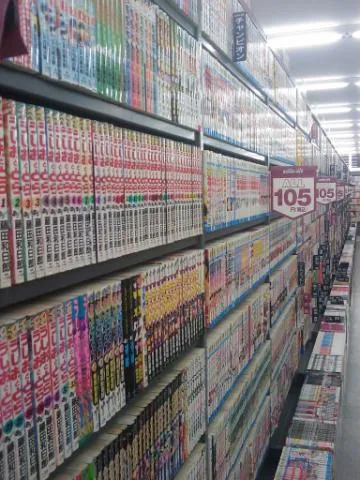
Photo: daruyanagi, CC BY 2.0, via Wikimedia Commons
There's a conversation that plays out in basically every anime Discord server, Reddit thread, and convention panel in the US: Did the anime do it justice? Sometimes the answer is a resounding yes. Other times, it sparks a fandom civil war that lasts for years. If you've ever finished an anime arc and immediately had someone tell you "the manga was way better," you know exactly what we're talking about.
At ManaCoco, we love both sides of this debate — honestly, it's part of what makes Japanese pop culture so endlessly fascinating. But if you're building a collection or trying to figure out where to invest your time and money, understanding why adaptations succeed or stumble is genuinely useful knowledge.
Why Adaptations Are So Hard to Get Right
Manga and anime are fundamentally different storytelling formats. A manga artist controls pacing completely — they can linger on a single dramatic panel for as long as they want, letting the reader sit in a moment. Anime, on the other hand, runs on episode counts, broadcast schedules, and production budgets. Translating that static visual storytelling into motion, sound, and color is a creative challenge that even the best studios sometimes fumble.
Then there's the timing problem. Most manga adaptations are greenlit before the source material is finished. Studios have to make a choice: slow down the pacing with filler content to let the manga get ahead, rush the ending and risk a trainwreck finale, or pause and come back later with a new season. Each approach carries real risks.
The Adaptations That Actually Nailed It
Demon Slayer: Kimetsu no Yaiba is probably the clearest modern example of an adaptation that didn't just match the manga — it arguably enhanced it. Ufotable's production brought an almost absurd level of visual craft to Tanjiro's story. The Mugen Train arc, which was already emotionally brutal in print, became a legitimate cultural moment when it hit theaters in 2020 and eventually made its way to US streaming. The animation elevated scenes that were powerful on the page into something that genuinely moved people to tears in theaters.
For collectors, this created a layered market: you've got manga volumes, film merchandise, TV series figures, and Blu-ray releases all coexisting. If you're investing in Demon Slayer collectibles, understanding that the anime drove mainstream US popularity helps explain why certain figures and limited releases command premium prices.
Jujutsu Kaisen is another win. MAPPA's adaptation respected Gege Akutami's kinetic fight choreography while adding color and sound design that made characters like Gojo Satoru feel even more iconic. The anime introduced millions of US fans to the series, which then sent manga sales through the roof. That cross-format momentum is exactly what creates the kind of passionate collector community that keeps a franchise valuable long-term.
When Things Go Sideways
Not every adaptation tells that story. Tokyo Ghoul is practically a cautionary tale at this point. The manga by Sui Ishida is a dense, emotionally layered work with some of the most striking visual storytelling in shonen history. The anime's first season was solid enough, but the subsequent seasons compressed or outright skipped huge chunks of source material, leaving anime-only fans confused and manga readers frustrated. The result? A fractured fandom and a franchise whose merchandise market never quite reached the heights it probably could have.
Filler is another sore subject. Classic long-runners like Naruto and Bleach became almost notorious for padding out episodes with content that had nothing to do with the original story. While Bleach's Thousand-Year Blood War arc adaptation has been widely praised for course-correcting this legacy, the damage to certain eras of the franchise's reputation stuck around for a long time. For collectors, this matters: merchandise tied to filler-heavy periods tends to hold value differently than stuff connected to beloved canon arcs.
Pacing: The Invisible Problem
Even adaptations that don't add filler can suffer from pacing issues that change how a story feels. The Promised Neverland is a painful example. Season one was nearly universally praised for its tense, claustrophobic atmosphere. Season two condensed and restructured so much of the manga's second half that it essentially told a different story — and not a better one. Merchandise from season one remains popular; season two's reception was cool enough that it noticeably affected the franchise's US collector enthusiasm.
So What Should You Actually Buy?
Here's the practical takeaway for anyone building a collection:
- If the anime is a production standout (think Demon Slayer, JJK, Vinland Saga), anime-specific merchandise — figures, art books, Blu-rays — is a solid investment because those productions have cultural longevity.
- If the adaptation is controversial, manga volumes and original art prints often hold their value better because the source community remains loyal to the original work.
- For ongoing series, keeping tabs on both the manga's reception and the anime's production studio reputation helps you make smarter buying decisions before limited merchandise sells out.
- Don't sleep on collector's editions of manga volumes for critically beloved series. When the anime disappoints, fans often circle back to the source material — and those editions can appreciate.
The manga-vs-anime debate isn't going anywhere. If anything, it's getting more interesting as streaming platforms pour more money into adaptations and fan communities become more vocal about quality. At ManaCoco, we think both formats deserve love — and honestly, a shelf that holds both the manga volumes and the anime figures is a shelf that tells the full story.
Now go start that argument in the comments. We know you want to.