One Character to Rule Them All: How Waifu Culture Is Changing the Way Fans Spend on Anime Merch
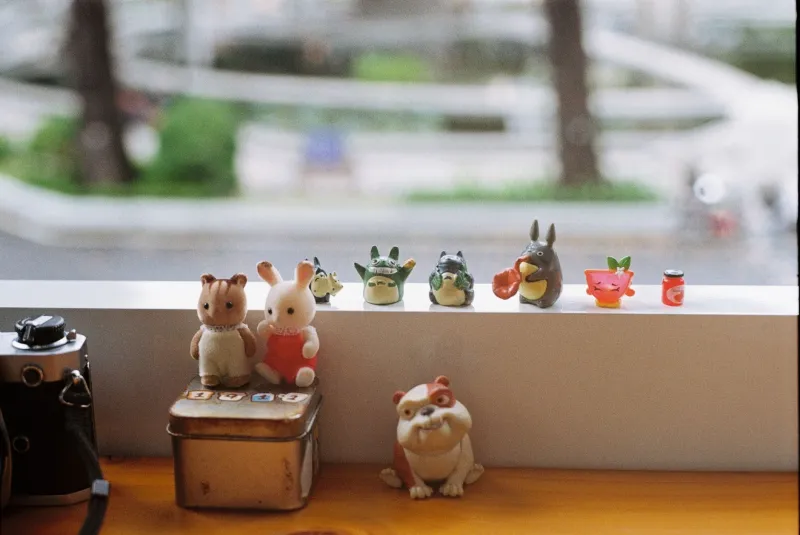
Somewhere in an apartment in Ohio, a shelf is dedicated entirely to Rem from Re:Zero. Every figure variant. Every dakimakura. Every acrylic standee, nendoroid, and limited-edition birthday merch drop. The collector who owns it isn't embarrassed. In fact, they're proud — and they're far from alone.
Waifu culture — the practice of forming a deep, often romantic attachment to a fictional anime character — has been part of fandom for decades. But something shifted in the last few years. What used to be an inside joke or a casual preference has evolved into a full-blown purchasing philosophy, one that's quietly reshaping how anime merchandise gets made, marketed, and sold.
What's Actually Driving the Single-Character Obsession
Let's get one thing straight: this isn't just about loneliness or social awkwardness, even though that narrative gets pushed a lot in mainstream coverage. For many collectors, the connection to a specific character is genuinely emotional in a way that's hard to dismiss.
Anime storytelling, especially in long-running series or character-driven narratives, gives fans enormous amounts of time with these fictional people. You watch them struggle, grow, fail, and triumph across dozens of episodes. You read their inner monologues in manga form. You follow their voice actors on social media. The parasocial bond that develops isn't all that different from what people feel toward real celebrities — it's just directed at someone who was drawn by hand.
When a character hits that nerve, spending money on them feels less like buying a product and more like supporting someone you care about. It's a psychological loop that the anime merchandise industry has figured out how to exploit extremely well.
The Market Knows Exactly What It's Doing
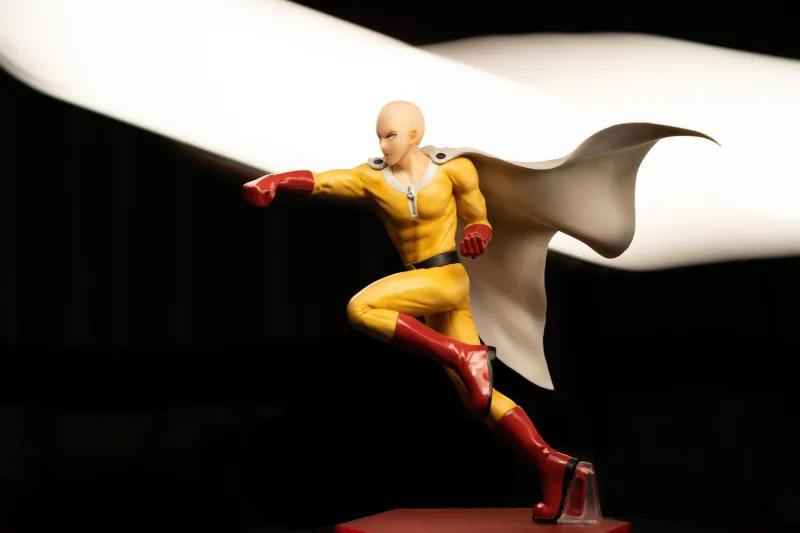
Figure manufacturers and merch producers aren't naive. Companies like Good Smile Company, Kotobukiya, and Alter have perfected the art of releasing multiple versions of the same beloved character — different outfits, different scales, different expressions — specifically because they know a dedicated fan will want all of them.
Limited-edition birthday merch has become a huge business driver. Seasonal outfits, anniversary releases, collab café exclusives — every one of these drops is designed to make a devoted fan feel like this version is the one they can't miss. And because the releases are staggered over months or years, the spending never really stops.
The numbers reflect this. The global anime merchandise market has been growing steadily, and a significant chunk of that growth is being fueled not by casual fans buying a random figure here and there, but by dedicated collectors making repeated, high-dollar purchases around specific characters. One collector community survey found that a meaningful portion of respondents admitted to spending more than $1,000 annually on merchandise from a single character or series. That's not a niche behavior anymore — that's a market segment.
Is This Bringing New People Into Collecting?
Here's where things get genuinely interesting. Waifu culture might actually be one of the best on-ramps into anime collecting that exists right now.
For a lot of people, the hobby can feel overwhelming. There are thousands of series, hundreds of characters, and an almost incomprehensible amount of merchandise out there. Knowing where to start is genuinely hard. But if you already have a character you love? Suddenly the path is clear. You're not trying to build a comprehensive collection — you're just trying to honor something that means a lot to you.
That focused entry point has pulled people into collecting who might never have gotten there otherwise. And once they're in, they often expand. The person who started with an all-Miku shelf eventually picks up a figure from a series a friend recommended. The Nezuko superfan discovers they also have opinions about Chainsaw Man merch quality. Passion for one character becomes a gateway to the broader hobby.
The Financial Side Nobody Wants to Talk About
But it would be dishonest to ignore the other side of this. Deep character investment, especially when it's tied to emotional attachment, can make it really hard to spend rationally.
Limited drops create genuine anxiety. Missing a birthday merch release or a one-run figure can feel like a personal failure to some collectors. That emotional pressure gets exploited — by scalpers who buy up stock and resell at markup, by manufacturers who create artificial scarcity, and by a culture that sometimes treats the size of your collection as a measure of how much you really care.
Collectors who go deep on a single character also tend to be especially vulnerable to FOMO spending. Every new variant feels necessary. Every collaboration feels essential. The goalposts for "complete" are always moving because the producers keep making more. Some fans have openly shared that their waifu collections have led them into credit card debt or strained their budgets in ways they didn't anticipate when they started.
This isn't a reason to shame anyone for their collecting habits. But it's worth being honest about the fact that the market structure around character-focused merch is deliberately designed to be hard to finish.
What This Means for the Future of Anime Merch
The industry is clearly betting on this trend continuing. Character-specific merch lines are expanding. Subscription services built around single franchises are popping up. Personalization options — custom prints, made-to-order items, creator-market goods on platforms like Booth — mean the range of ways to spend on a beloved character is wider than ever.
For collectors, the smart move is probably just self-awareness. There's nothing wrong with going deep on a character you love. Some of the most impressive, thoughtfully curated collections out there are single-character shrines that took years of careful hunting to build. But knowing the difference between a purchase that genuinely brings you joy and one you're making because you feel pressured to keep up? That's the skill that separates collectors who thrive from ones who burn out.
Waifu culture isn't going anywhere. If anything, it's becoming more mainstream, more accepted, and more commercially central to how anime merchandise works. The fans driving it aren't fringe — they're the core market. And the industry knows it.
Just make sure you know it too, before your next cart checkout.