Prices Are Falling on Anime Collectibles — Here's Why That's Actually Great News for Your Shelf
For the past few years, anime collecting felt like trying to buy a house in a seller's market. Prices kept climbing, scalpers were everywhere, and if you blinked, that figure you wanted was already listed on eBay for three times retail. But something quietly shifted over the last several months — and if you haven't noticed yet, you might be sitting on one of the best buying windows collectors have seen in years.
Certain segments of the anime merch market have cooled off. Not crashed dramatically, not collapsed — but meaningfully corrected. We're talking 30 to 50 percent drops from peak prices on specific categories. And depending on how you look at it, that's either a little unsettling or incredibly exciting.
Let's break down what's actually going on.
What's Driving the Price Cooldown?
A few things converged at once to create this situation, and none of them happened in isolation.
First, supply caught up with demand. During the pandemic years, production delays created artificial scarcity that sent prices soaring. Collectors were panic-buying because shelves were empty and restock timelines were a mystery. Now, manufacturers have largely cleared those backlogs. Some categories — particularly mass-market prize figures and standard Nendoroids — are easier to find than they've been in years. When supply stabilizes, prices naturally soften.
Second, the hobby got crowded. The anime boom of the early 2020s pulled a massive wave of new fans into collecting. That surge created huge demand, but it also created a lot of impulse buyers who didn't stick around. As the initial excitement wore off for some of those newer fans, secondary market listings piled up — and sellers quickly discovered that the market wasn't willing to pay pandemic-era premiums anymore.
Third, economic pressure is real. With inflation squeezing discretionary spending across the board, even dedicated collectors are being more selective. That caution has translated into slower sell-through rates and more competitive pricing on the resale market.
Which Categories Are Actually Dropping?
Not everything is affected equally, and this is where it gets interesting for strategic buyers.
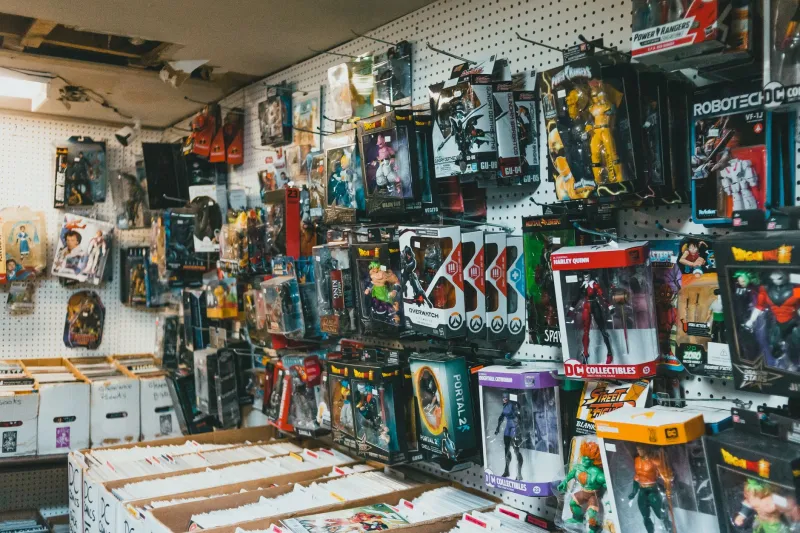
Prize figures — the kind you'd find in Japanese arcade crane machines, now widely available through retailers — have seen some of the steepest drops. These were already lower-end products, but COVID-era demand inflated their secondary prices significantly. Many are now available at or even below their original retail equivalents, which is basically unheard of from a year or two ago.
Scale figures from mid-tier series (think shows that had a big moment but didn't build lasting fanbases) have also softened noticeably. If a series had a hot season, a wave of merch followed, and now that the hype has passed, that merch is sitting.
Funko Pops tied to anime licenses have seen corrections too, though that's part of a broader Funko market cooldown that's been well-documented outside the anime space.
What's Still Holding Value — Or Going Up?
Here's the flip side: not everything is deflating, and knowing the difference matters.
High-end scale figures from perennial franchises — One Piece, Naruto, Dragon Ball, Demon Slayer — are largely holding their ground. These properties have massive, multigenerational fanbases that aren't going anywhere. Limited run figures from makers like Good Smile Company, Kotobukiya, and Alter tied to these franchises continue to appreciate steadily.
First-edition manga, especially complete sets in excellent condition, remain strong. The physical manga market has actually seen growing collector interest as digital reading becomes more dominant — owning a clean print run feels more meaningful when fewer people are buying physical in the first place.
Anything tied to a genuinely rare release window — convention exclusives, lottery items, regional Japan-only releases — is still commanding serious premiums. Scarcity that's real (not manufactured by scalpers) continues to drive value.
Vintage pieces from the 80s and 90s are essentially their own asset class at this point. That stuff isn't getting cheaper.
So Is This a Buying Opportunity or a Warning Sign?
Honest answer: it's probably both, depending on what you're buying.
If you've had your eye on a specific figure from a show you genuinely love — something you'd display proudly and hold onto for years — a 30–40% price drop is a real gift. The best time to buy something you actually want is when the price is lower than it's been in years. Simple as that.
But if you're looking at this correction as a chance to load up on merch you plan to flip, be careful. The conditions that created easy resale profits — scarcity, FOMO, a flood of new collectors — have shifted. Flipping is harder right now, margins are tighter, and you could easily end up holding inventory that continues to drop rather than recover.
The collectors who tend to come out ahead over the long run are the ones who buy what they love from properties with staying power, acquire at reasonable prices rather than chasing peaks, and aren't dependent on resale value to justify their purchases. This market moment rewards exactly that kind of approach.
How to Actually Take Advantage of This
If you're thinking about moving on some pieces while prices are friendlier, here are a few practical moves worth considering.
Check completed eBay listings, not just active ones. Active listings tell you what sellers want. Completed listings tell you what buyers actually paid. Right now, that gap is wider than usual.
Look at Japanese retail sites with proxy services. With the yen still relatively weak against the dollar, importing directly from Japan through services like Buyee or Zenmarket can get you figures at prices that undercut even the deflated US secondary market.
Prioritize grail pieces over quantity. If your budget is limited, this is the moment to go after one or two things you've genuinely wanted for a long time rather than grabbing a bunch of mid-tier stuff just because it's cheap.
Don't sleep on open-box deals. As collectors offload parts of their collections, you'll find displayed-but-cared-for figures at significant discounts. If you're planning to display anyway, a previous owner's shelf time doesn't affect your enjoyment.
The Bigger Picture
Market corrections in collecting hobbies are normal. They happened with sports cards, with Pokémon, with vinyl records. They don't signal the end of the hobby — they signal a return to something more sustainable after a period of overheated enthusiasm.
Anime as a cultural force isn't going anywhere. If anything, its mainstream foothold in the US keeps growing. The long-term trajectory for high-quality pieces from beloved franchises is still pointing upward — we're just taking a breather from the vertical climb.
For collectors who've been priced out, frustrated by scalpers, or simply waiting for a moment that made more sense financially, that breather is actually the opening you've been waiting for. The shelf space is there. The wishlist is ready. And for once, the prices might actually be on your side.