The Shelf Is Part of the Flex: How Collectors Are Spending Big on Display Setups
There's a moment every serious anime figure collector knows well. You finally land that grail piece — the one you've been hunting for months, maybe years. It shows up, you unbox it carefully, and then... you look at your shelf. And suddenly the shelf isn't good enough anymore.
That's the trap. And honestly? A lot of collectors have stopped calling it a trap and started calling it a second hobby.
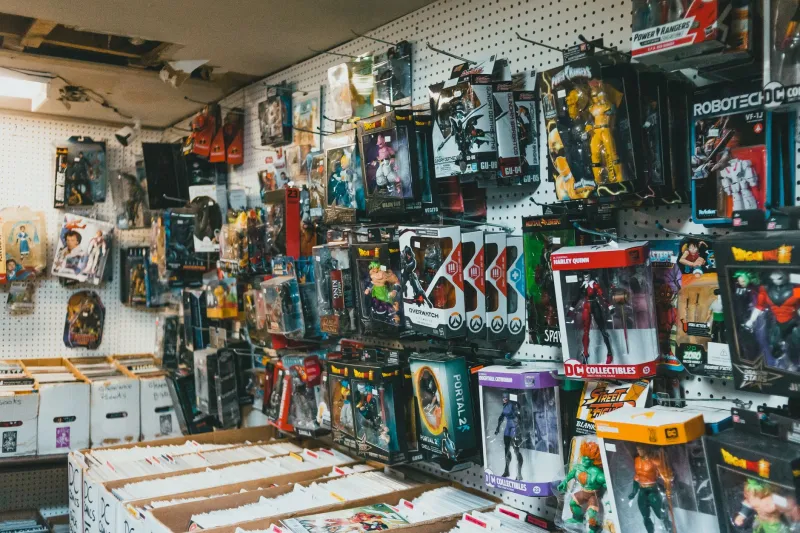
Display culture in the anime collecting world has quietly exploded. What used to be a simple IKEA Detolf situation has evolved into something way more elaborate — and way more expensive. We're talking custom LED lighting rigs, climate-controlled display cabinets, UV-filtering glass panels, and setups that look like they belong in a boutique Japanese import shop rather than a bedroom in Ohio.
From "Somewhere to Put Them" to Full-On Presentation Design
For a long time, the Detolf — IKEA's iconic glass display cabinet — was basically the default option for collectors in the US. It was affordable, it looked clean, and it got the job done. But as the figure market matured and social media raised the visual stakes, that default stopped feeling like enough for a growing segment of collectors.
Now you've got people investing in Kallax-based custom builds, importing Japanese display furniture that isn't even sold stateside, and dropping serious cash on dedicated collector cabinets from brands like Detolf alternatives such as the FABRIQUER or third-party options sold through specialty retailers. Some collectors are hiring woodworkers to build entirely custom shelving systems tailored to specific figure scales.
The price difference is real. A basic Detolf runs you maybe $80. A mid-tier purpose-built display cabinet with built-in LED strips and tempered glass can run $300–$600. And the high-end stuff? Custom climate-controlled cabinets with humidity control and UV-protective glazing can push past $1,500 per unit — and some collectors own several.
Lighting Changed Everything
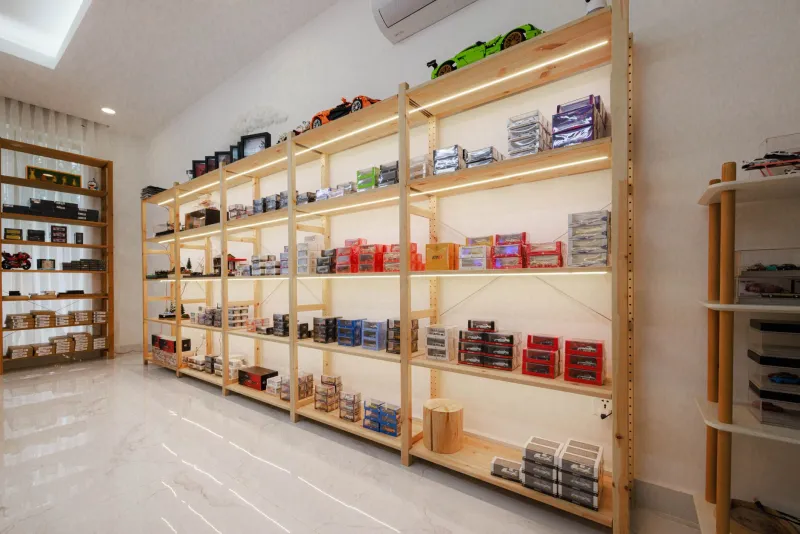
If there's one single upgrade that shifted collector culture toward treating displays as a craft, it's lighting. Specifically, LED strip lighting tucked inside shelves and cabinets transformed how figures are presented — and photographed.
A well-lit figure looks dramatically different from the same figure sitting under harsh overhead room lighting. Warm LEDs pull out the detail in skin tones and fabric sculpts. RGB setups let collectors match the lighting mood to a specific character's color palette. Backlighting can make translucent parts of a figure glow in ways that look almost magical.
Collectors who've gone deep on lighting setups will tell you it's genuinely changed how they experience their collections day-to-day. But there's also no denying that a lot of this is driven by Instagram, TikTok, and places like r/AnimeFigures where a great shelf photo can pull thousands of upvotes and serious community clout.
Presentation is now part of the hobby's social currency.
The Real Talk on Spending
Here's where it gets interesting. Talk to collectors who've gone all-in on display infrastructure, and you'll find a lot of them have hit a point where they're spending comparable amounts — or more — on their setups than on individual figures.
A figure from Good Smile Company or Kotobukiya might run you $80 to $200 for a standard release. A limited or high-end 1/4 scale piece can easily clear $400. But a collector who has six display cabinets with custom lighting, backdrop panels, and mirror flooring inserts? They might have $3,000 or more sunk into the infrastructure alone — separate from the figures inside.
Some collectors describe it as a "sunk cost they don't regret." The setup, they argue, makes every figure look better and protects the investment. Dust is a real enemy for painted resin and PVC figures. UV light degrades paint over time. A proper display case genuinely extends the life and maintained condition of pieces that might otherwise yellow or fade.
So there's a practical argument alongside the aesthetic one. Protecting your collection is protecting its value — and for figures that can appreciate significantly on the secondary market, that's not a small thing.
Instagram-Worthy Setups Are Changing What People Buy
Here's a wrinkle that's worth talking about: display presentation is now influencing purchasing decisions in ways that go beyond just protecting what you own.
Collectors are increasingly factoring in how a figure will photograph in their existing setup before buying. Does it fit the color scheme of the shelf? Will the scale look right next to adjacent pieces? Is the base design going to work with the lighting setup already in place?
This is a real shift. It means collectors aren't just buying figures they love — they're curating displays they want to show off. The figure becomes part of a larger composition, and the display case is the frame.
For some, this has actually led to more disciplined buying. If a figure doesn't fit the aesthetic of the display, it doesn't make the cut. For others, it's created a whole new spending category: buying figures specifically because they'll look incredible in the setup they've built.
The DIY vs. Buy Debate
Not everyone is dropping thousands on imported cabinetry. There's a thriving DIY corner of the collector community that's getting equally impressive results with ingenuity and elbow grease.
Custom-cut acrylic risers, 3D-printed backdrop stands, hand-painted scene dioramas, and clever repurposing of kitchen display cabinets are all common in collector spaces. Some of the most jaw-dropping shelves you'll see on social media were built on budgets that would surprise you.
The DIY crowd and the high-end furniture crowd share the same core obsession — they just have different philosophies about how to get there. Both groups agree that the display matters. That's the point of consensus that defines where the hobby is right now.
What This Means for You
If you're a collector who's been putting off thinking about your display situation, the honest truth is that your setup is already part of your collection's story — whether you've intentionally designed it or not.
You don't have to go full climate-controlled cabinet to level up. Even small changes — a strip of warm LED lighting, a mirrored riser to add depth, a consistent backdrop color — can make a meaningful difference in how your figures look and how much you enjoy seeing them every day.
And if you're a newer collector trying to figure out where to start? Budget for your display from day one. It's way easier to build a setup alongside your collection than to retrofit everything after the fact.
The shelf is part of the flex. The collectors who figured that out early are the ones with the setups you can't stop staring at.