Don't Get Played: Your No-Nonsense Guide to Spotting Fake Anime Merch Before You Get Burned

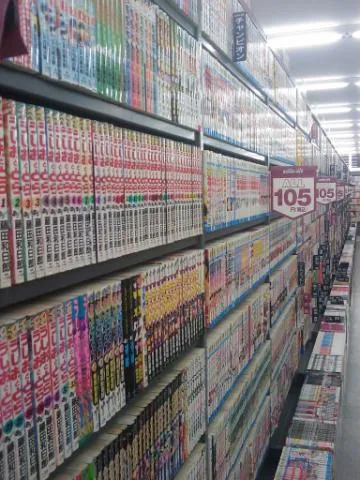
Photo: Alfred Casile, Public domain, via Wikimedia Commons
You finally found that figure you've been hunting for months. The price looks almost reasonable, the photos look clean, and the seller has a decent review count. You click buy. Then the package arrives and something feels... off. The paint is slightly wrong. The box smells like a factory. The character's eyes are just a little too far apart.
Welcome to the bootleg trap — and trust us, you're not the first collector to fall into it.
The counterfeit anime merchandise market has exploded right alongside the hobby itself. As demand for high-quality figures, manga volumes, and licensed collectibles has surged across the US, so has the supply of convincing fakes designed to drain your money while leaving you with something that belongs in a landfill, not on your shelf. The good news? Once you know what to look for, spotting a bootleg gets a whole lot easier.
The Price Is the First Red Flag (But Not the Only One)
Let's start with the most obvious tell: pricing that seems too good to be true. A Nendoroid or scale figure from a major manufacturer like Good Smile Company or Kotobukiya carries a real production cost. When you see a "brand new" figure from a popular series listed for $15 or $20 on a random marketplace, that's not a deal — that's a warning sign.
Legitimate anime figures are expensive to produce. Licensing fees, quality materials, hand-painted details, and proper QC all add up. Bootleg sellers cut every single one of those corners. So when the price is 60-70% below what you'd expect to pay through an authorized retailer, treat it like the alarm bell it is.
That said, price alone isn't the whole story. Some counterfeiters have gotten bold enough to charge near-retail prices for fakes, banking on the assumption that a higher price tag signals legitimacy. Don't let a "normal" price make you drop your guard.
Packaging Lies More Than You Think
The box a figure comes in tells you an enormous amount about whether it's legit. Authentic merchandise from Japanese manufacturers tends to have crisp, vibrant printing with clean edges, precise color matching, and clear, readable text — including Japanese characters that are actually correct and not garbled nonsense.
Here's what to look for on suspect packaging:
- Blurry or pixelated artwork — Bootleggers often work from low-res scans of original boxes. The result is printing that looks muddy or slightly out of focus compared to the sharp originals.
- Color shifts — Real licensed packaging has consistent, QC-checked color. Fakes often have colors that are too bright, too washed out, or slightly off from what official product photos show.
- Spelling errors and weird fonts — This one sounds obvious, but it happens constantly. Check any English text on the box carefully. Legitimate manufacturers hire real copywriters.
- Missing or incorrect holographic seals — Many authentic figures include tamper-evident stickers or official holographic labels. Bootlegs either skip these entirely or use cheap imitations that don't catch light the same way.
- Flimsy cardboard — Official boxes have weight and rigidity. If the packaging feels thin or floppy, that's a problem.
The Figure Itself: Where Bootlegs Can't Hide
Even if a fake clears the packaging test, the actual product almost always gives itself away. Bootleg figures are typically cast from molds made by scanning or copying originals, which introduces a generational loss of detail with every step.
Run through this checklist when inspecting a figure:
Seam lines — Legitimate manufacturers sand and finish seam lines carefully. Bootlegs often have visible, chunky seams running across faces, limbs, and hair pieces.
Paint application — Authentic figures have clean, deliberate paint work. Fakes frequently show paint bleed, inconsistent coverage, or shading that's completely wrong compared to official product shots.
Material quality — Real figures have a certain weight and density to them. Bootlegs often feel hollow, weirdly light, or made from a cheaper plastic that flexes when it shouldn't.
The smell test — This sounds strange, but it's real. Bootleg figures are often made with low-grade PVC that has a strong chemical odor right out of the box. Legitimate figures from reputable makers don't smell like a plastic bag left in the sun.
Proportions and detail — Stand your figure next to official product photos. Bootlegs often have subtle proportion issues — a slightly larger head, softer sculpt details, or facial features that just don't sit right.
Seller Credibility Matters More Than You Think
Where you buy is just as important as what you buy. Marketplaces like Amazon, eBay, and even social media shops can be a minefield because third-party sellers operate with minimal oversight. A high review count doesn't automatically mean a seller is legitimate — reviews can be gamed, and some sellers mix authentic and counterfeit stock.
When buying from any marketplace, check:
- Whether the seller is an authorized retailer for the brands they're selling
- How long the shop has been active and whether reviews mention product authenticity specifically
- Whether the listing uses official manufacturer photos versus photos of the actual item in hand
- If the seller is based in a region known for high counterfeit output without any verification of authenticity
Buying directly from dedicated anime merchandise retailers — shops that have established relationships with Japanese manufacturers and distributors — is genuinely the safest play. At ManaCoco, every product we carry is sourced through legitimate channels because we're here for the culture, not a quick flip. Supporting authentic merchandise also means supporting the studios and creators who make the anime you love in the first place.
Manga and Smaller Collectibles Aren't Immune
Figures get most of the attention in counterfeiting discussions, but fake manga volumes and smaller collectibles are absolutely a thing. Bootleg manga typically shows up as low-quality reprints with thin paper, faded ink, and translation text that's either wrong or lifted without proper licensing.
For manga, always check that the volume includes the original publisher's imprint (Viz Media, Yen Press, Kodansha USA, etc.) and that the ISBN matches the official release. Legitimate volumes have a certain paper quality and binding durability that reprints can't replicate cheaply.
Trading cards, keychains, and acrylic standees are also commonly counterfeited. Official versions typically come sealed with proper branding; fakes often arrive in generic packaging or with branding that's just slightly wrong.
The Bottom Line
Building a collection you're proud of means being a little bit skeptical — even when a deal looks great. The bootleg market exists because collectors are enthusiastic and sometimes move fast. Slow down, do your research, and buy from sources you can actually trust.
Your shelf deserves the real thing. So does your favorite creator.