From McDonald's to Supreme: The Anime Collab Boom Is Everywhere — Here's How to Navigate It
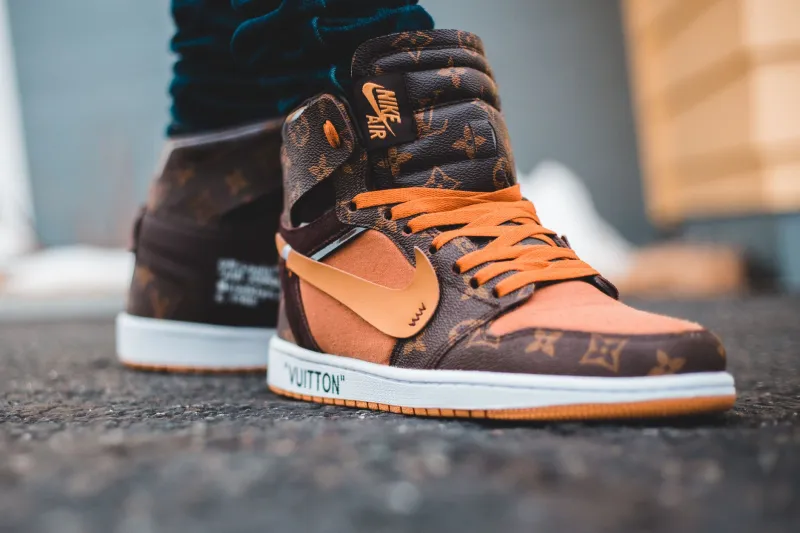
Something shifted in the last few years. It used to be that anime partnerships meant a poster in a Walmart electronics section or a character on a bag of chips. Now we're talking Louis Vuitton x Final Fantasy, Uniqlo's ongoing UT line turning manga panels into gallery-worthy tees, and fast food chains running limited anime campaigns that clear out in hours.
The anime collab gold rush is real, it's accelerating, and if you're a fan or a collector, it's both incredibly exciting and genuinely overwhelming. Here's what's actually happening, why it matters, and how to figure out which pieces are worth your attention.
Why Brands Are All-In on Anime Right Now
The business case for anime partnerships has never been clearer. The global anime market is valued in the tens of billions and growing steadily, with the US representing one of its fastest-expanding audiences. More importantly for brands, anime fans skew young, digitally engaged, and demonstrably willing to spend money on things they love.
Brands that have historically struggled to reach Gen Z audiences are finding that a well-executed anime collaboration does what years of conventional marketing couldn't. It signals cultural fluency. It creates genuine excitement. And it moves product.
The numbers bear this out. When Crocs launched its Naruto collaboration, it sold out in hours. When PUMA partnered with Dragon Ball, the resulting sneakers hit secondary market prices that rivaled limited streetwear drops. These aren't flukes — they're signals that the market is paying attention.
For established Japanese brands and studios, international collaborations are also a way to expand reach without diluting their core identity. A licensing deal with a fashion house or a tech company puts the IP in front of audiences who might never have discovered it through traditional channels.
What Makes a Collab Actually Worth Collecting
Here's the uncomfortable truth: most anime collaborations produce stuff that isn't worth buying beyond the initial hype. The difference between a collab that becomes a collector's item and one that ends up in a discount bin comes down to a few key factors.
Genuine creative investment. The best collaborations involve the original IP holders in a meaningful way. When a fashion brand works directly with a manga artist or animation studio to create something that feels authentically connected to the source material — not just slapping a logo on an existing product — the result tends to resonate with fans and hold value. You can usually tell the difference immediately. One feels like a product, the other feels like a tribute.
Scarcity with substance. Limited runs matter, but only if the product itself is worth having. A limited-edition collaboration item that's genuinely well-made, thoughtfully designed, and produced in small numbers is a legitimate collector's piece. A low-quality item made in small numbers is still a low-quality item.
Cross-audience appeal. Collaborations that appeal to both the anime fanbase and the partner brand's existing audience tend to perform better on the secondary market. A sneaker collab that anime fans and sneakerheads both want creates deeper demand than one that only appeals to one community.
The Mainstream Legitimacy Debate
Not everyone in the anime community is celebrating the collab boom. There's a real tension between welcoming mainstream recognition and watching something that felt personal get absorbed into corporate marketing machinery.
The criticism isn't entirely unfair. Some collaborations are clearly opportunistic — brands chasing a trend without any genuine connection to the culture. When a fast food chain runs an anime promotion that's transparently just a vehicle to sell more combo meals, it can feel hollow to fans who've been in the community for years.
But the more interesting argument is about what mainstream legitimacy actually does to a fandom. When anime becomes the backdrop for luxury fashion campaigns and tech product launches, it changes the cultural conversation around it. For some fans, that's validating. For others, it feels like losing something that was theirs.
Both reactions make sense. The honest answer is that culture doesn't stay contained, and the anime community's growth into mainstream American culture was always going to attract this kind of attention. The question is whether fans can engage with it on their own terms.
Emerging Collab Trends Worth Watching
If you're thinking about where the next wave of interesting collaborations is coming from, a few categories are worth tracking:
Tech and gaming. Anime partnerships with gaming hardware brands, peripheral companies, and even software platforms are producing some genuinely interesting limited items — custom controllers, themed laptops, collaboration peripherals. These tend to appeal to a collector base that's already comfortable spending significant money on equipment.
Food and beverage. This sounds less glamorous than fashion, but the limited-edition packaging and campaign items from food collabs have developed their own collector following. Japanese convenience store collaborations in particular — think 7-Eleven Japan's regular anime tie-ins — produce items that are genuinely hard to get in the US, which drives secondary market interest.
Independent fashion. Beyond the luxury tier, smaller independent fashion labels are doing some of the most creative anime-adjacent work right now. These collabs often fly under the radar, produce genuinely limited quantities, and reflect a deeper engagement with the source material than corporate partnerships typically allow.
Domestic US brands. American brands that have built credibility with anime fans — not just chasing a trend but demonstrating genuine cultural engagement over time — are starting to produce collaborations that feel earned. These are worth watching because they're building something sustainable rather than just capitalizing on a moment.
How to Actually Capitalize as a Fan
If you want to engage with the collab market smartly, a few practical approaches help:
Follow the official social accounts of both the IP holder and the collaborating brand. Collab announcements often come with short preorder windows and limited stock, and being early is the difference between retail and secondary market pricing.
Do your research before buying. Not every limited collab item holds value — check what similar past collaborations from the same brands have done on resale platforms before assuming scarcity equals appreciation.
Buy what you'd be happy keeping. The collab market moves fast and predicting what will appreciate is genuinely hard. If you're spending money on a collaboration item, make sure it's something you'd be satisfied owning even if the resale value never materializes.
The anime collaboration boom isn't slowing down. If anything, the next few years are going to bring even more unexpected partnerships as brands continue to recognize what this audience represents. For fans who know how to navigate it, that's actually a pretty exciting place to be.