Why Fans Are Buying Physical Anime Stuff in a World Where Everything Streams for Free
Let's be honest about the situation. Between Crunchyroll, Netflix, Funimation, and whatever else you've got bookmarked, you can watch a genuinely absurd amount of anime without ever spending a dollar on anything physical. The content is there. The access is there. Your couch is comfortable.
And yet. The anime merchandise market keeps growing. Physical manga sales in the US have been setting records. Figure preorders sell out in minutes. Collector communities are bigger and more active than they've ever been.
So what's actually going on? Why are fans opening their wallets for physical stuff in a world that keeps telling them they don't need to?
Streaming Is Convenient, But It's Not Yours
There's a psychological reality that streaming platforms would prefer you not think too hard about: you don't own anything you stream. You're renting access to a library that can change without warning.
Anime fans have learned this the hard way more than once. Series disappear from platforms when licensing deals expire. Entire catalogs shift from one service to another, sometimes behind higher paywalls. Shows that defined someone's early anime experience can just... vanish from their queue one morning.
Buying a physical Blu-ray set or a complete manga run is, at its core, an act of ownership. You're saying: this matters to me and I want to guarantee it stays in my life. That's not irrational. That's actually pretty reasonable once you've had a beloved series disappear on you.
The Thing About Tangibility
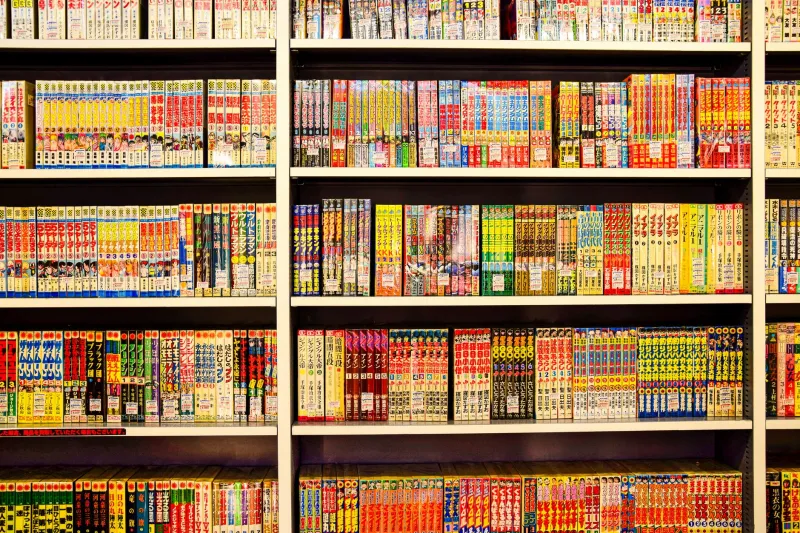
There's something genuinely different about holding a well-made manga volume versus scrolling through a digital chapter. The paper quality, the cover art, the weight of a complete series on a shelf — these things create a physical relationship with the story that a streaming app simply can't replicate.
Psychologists who study consumer behavior have a term for this: the endowment effect. We value things more when we physically possess them. A figure of your favorite character sitting on your desk is a different kind of connection than a screenshot saved to your phone.
This isn't just sentimentality. It's how human brains work. Physical objects create memories in a way that digital files don't. Ask any long-time collector and they'll tell you exactly where they were when they bought their most prized piece, what it felt like to open the box. That story doesn't exist with a streaming subscription.
Merch as Identity and Community Signal
In the US, anime fandom has gone from something people kept quiet about to a genuine cultural identity marker. Wearing a My Hero Academia hoodie or having a Chainsaw Man figure on your work desk is a way of signaling who you are and what you care about — and inviting connection with people who feel the same way.
Physical merch does this work in a way that a streaming watchlist can't. It's visible. It starts conversations. It builds community.
At conventions, online collector groups, and even just in everyday social spaces, what you own and display communicates something about your fandom identity. Collectors aren't just buying objects — they're buying membership in a community and a way to express themselves that feels authentic.
How to Decide What's Actually Worth Owning Physically
Okay, so you're sold on the concept. But you can't buy everything, and you probably shouldn't try. Here's a practical framework for deciding what deserves shelf space versus what you can comfortably stream and move on from.
Own it physically if:
- It's a series you return to repeatedly, not just watched once
- You've recommended it to multiple people and want to lend it
- The streaming version lacks features you care about (dubs, extras, better video quality)
- It's a series with licensing instability or a complicated streaming history
- It means something to you personally beyond casual entertainment
Stream it and let it go if:
- You're watching it because it's trending, not because you're genuinely invested
- It's a long-running series where you'll only realistically watch certain arcs again
- The physical release doesn't add anything meaningful over the streaming version
- You're buying it out of completionist anxiety rather than genuine desire
That last point is worth sitting with. A lot of physical purchases in anime fandom are driven by FOMO or the collector impulse to complete a set, not by genuine affection for the content. There's nothing wrong with collecting, but knowing your actual motivation helps you spend smarter.
Justifying the Physical Collection to Skeptics
If you've ever had to explain to a roommate, partner, or parent why you just spent $80 on a manga boxset of something you could read online for free, you know the conversation can get awkward fast.
Here's the thing: you don't owe anyone a financial justification for spending money on things that bring you genuine joy. But if you want a practical argument, the comparison to other entertainment spending actually holds up pretty well. Americans spend billions on physical books, vinyl records, sports memorabilia, and movie collections — all things that exist in some digital form. Anime merch is no different.
And for the pieces that hold or appreciate in value? You can make a legitimate case that a well-chosen figure collection is a better use of discretionary spending than most other entertainment expenses. It's something you interact with daily, it brings consistent enjoyment, and it might actually be worth more later.
The bottom line is this: streaming gives you access. Physical ownership gives you something else — a relationship with the media and the culture that feels real in a way that a monthly subscription never quite does. For a lot of fans, that's worth every penny.