Anime Merch as a Money Move: What Collectors Are Actually Getting Right (And Wrong)
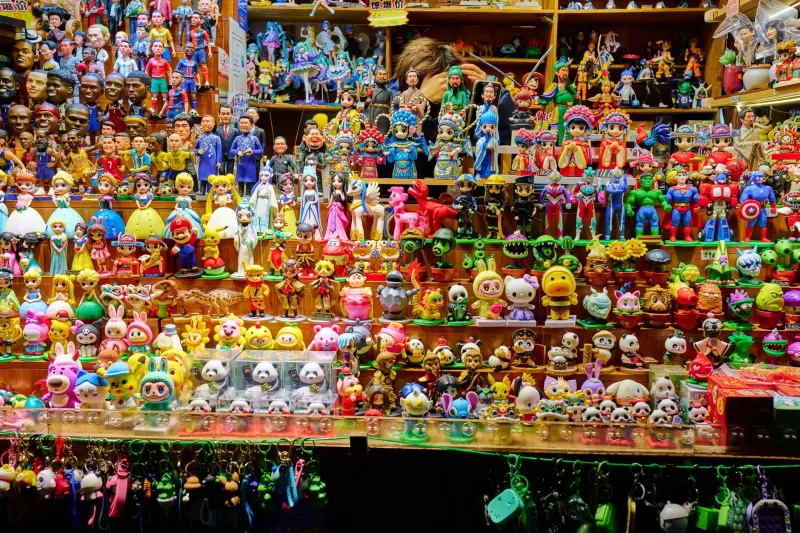
Somewhere between buying your third Demon Slayer figure and refreshing eBay listings at midnight, a thought probably crossed your mind: could this stuff actually be worth something someday? You're not alone. Across collector communities on Reddit, Discord, and YouTube, more fans are talking about anime merchandise in terms that sound less like hobby chat and more like a financial planning session.
The numbers aren't imaginary, either. Certain vintage figures, limited press runs, and franchise-specific collectibles have posted serious resale gains over the past decade. But before you start treating your shelf like a portfolio, there's a lot more nuance to unpack.
The Market Is Real — But It's Not the Stock Exchange
Let's be clear upfront: anime merch is not a traditional investment vehicle, and nobody serious is suggesting you pull money out of your 401(k) to buy scale figures. What collectors are noticing, though, is that certain categories of merchandise behave a lot like alternative assets — think art, wine, or sneakers. Their value is driven by scarcity, cultural relevance, and community demand rather than earnings reports or interest rates.
The global anime merchandise market has been on a consistent upward trajectory, with some analyst projections putting it well past the $40 billion range globally by the mid-2020s. The US slice of that pie keeps growing, fueled by streaming accessibility and a younger generation of fans who grew up with anime as a mainstream entertainment option rather than a niche interest.
That cultural shift matters for collectors. When anime fandom expands, so does demand for physical merchandise — especially from landmark franchises.
Which Categories Have Actually Shown Growth
Not all merch is created equal when it comes to holding or gaining value. Here's where experienced collectors tend to focus their attention:
Scale Figures from Established Manufacturers High-end scale figures from makers like Good Smile Company, Alter, and Kotobukiya — particularly limited runs or event exclusives — have shown consistent secondary market strength. A figure that retailed for $150-$200 at release can sometimes command two to three times that on the resale market years later, especially if the manufacturer doesn't reissue it.
Vintage and Pre-2000s Merchandise Anything tied to classic franchises — original Dragon Ball, early Sailor Moon, vintage Evangelion — occupies a sweet spot where nostalgia meets genuine scarcity. A lot of this stuff simply doesn't exist in large quantities anymore. Condition is everything here, and even lightly worn pieces can carry significant premiums.
Limited Edition Collaborations When anime franchises partner with fashion brands, game companies, or even food labels on limited merchandise runs, those pieces often appreciate quickly — partly because the collaboration itself becomes a cultural artifact. Think streetwear collabs or limited-edition card sets tied to specific events.
First-Press Manga and Art Books Often overlooked compared to figures, first-edition manga volumes and official art books from major series have developed a collector's market of their own, particularly for series that have concluded or where the original publisher has gone out of print.
The Hidden Costs That Eat Into Any "Return"
Here's where the investment framing gets complicated. Unlike a stock or ETF, physical merchandise comes with real carrying costs:
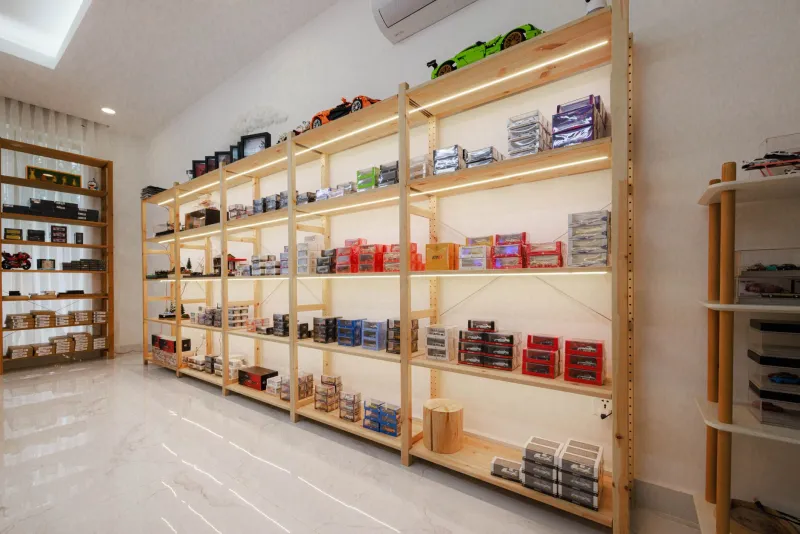
- Storage and display: Climate control, UV-protective cases, and proper shelving aren't free.
- Insurance: If you're sitting on a collection worth thousands of dollars, you need coverage — and standard renters or homeowners policies often won't cut it.
- Depreciation risks: Trends shift. A franchise that's hot today can cool dramatically if a sequel underperforms or the fandom moves on.
- Liquidity: Selling a figure isn't like selling a share of stock. Finding the right buyer at the right price takes time, and platforms take cuts.
Factor all of that in and the "returns" on anime merch look a lot more modest for most pieces.
What Smart Collectors Actually Do
The collectors who navigate this well tend to share a few habits. First, they buy what they genuinely love. That might sound obvious, but it matters strategically: if a piece never appreciates, you still have something you wanted. Second, they research before they buy — checking historical sold listings on eBay, following collector communities for market sentiment, and paying attention to manufacturer reissue announcements, which can tank secondary market prices overnight.
Third, they stay patient. The resale market for anime merch rewards people who aren't desperate to sell. Timing a sale around renewed franchise interest — a new season announcement, a major anniversary, a live-action adaptation — can make a real difference in what you walk away with.
The Bottom Line
Treating anime collecting as a pure financial play is probably the wrong frame. But ignoring the economic dimension entirely is leaving information on the table. The healthiest approach is buying smart, storing well, staying connected to the community, and letting appreciation be a welcome bonus rather than the whole point.
Your shelf should bring you joy first. If it also builds value over time? That's just a good day for everybody.