Break the Seal Already: The Case Against Keeping Everything Mint in Box
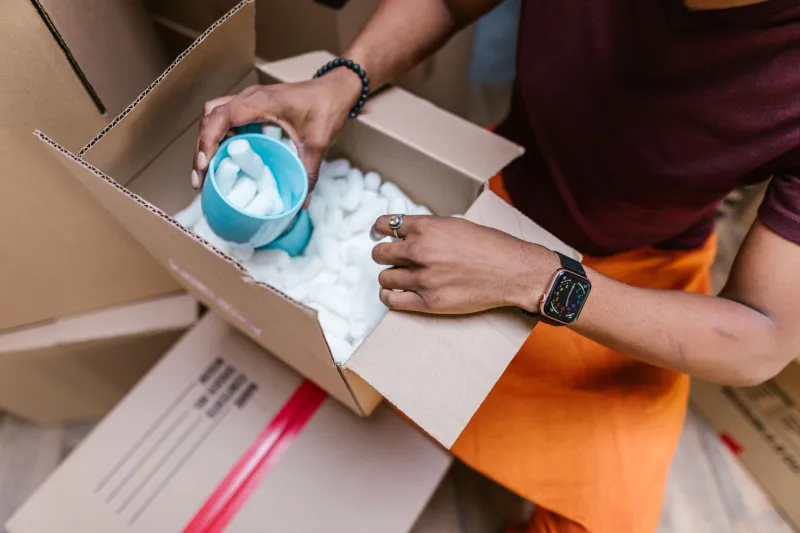
At some point, the box became the point.
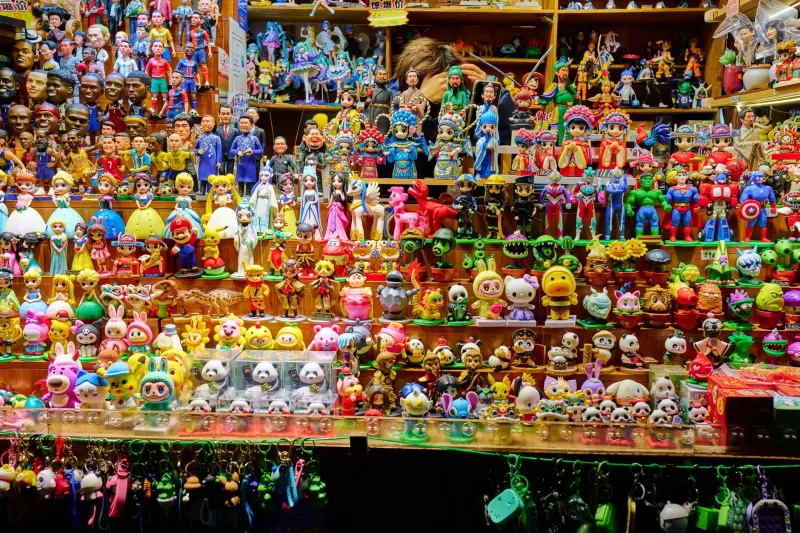
Anime collectors know exactly what this looks like: a figure purchased months ago, still sitting in its shipping box, wrapped in its inner packaging, untouched. Not because you don't want to display it. Not because you don't have space. But because opening it feels like crossing a line — like the moment you break that seal, some invisible value evaporates into the air.
It's a feeling that's become increasingly common across collector culture, and it's worth interrogating honestly. Because in a lot of cases, the sealed obsession is making the hobby less enjoyable, more expensive, and — here's the kicker — not even financially smarter.
Where the "Keep It Sealed" Mentality Comes From
The instinct has legitimate roots. In certain collector categories — vintage video games, trading cards, specific toy lines — factory-sealed condition does carry a meaningful premium. A sealed first-print copy of a classic SNES game can be worth dramatically more than an opened one. Professional grading organizations have built entire business models around certifying sealed condition.
That logic migrated into anime collecting, and it's not entirely wrong when applied carefully. But somewhere along the way, "keep it sealed when it makes sense" morphed into a blanket rule that a lot of collectors apply without actually thinking through the math or their own motivations.
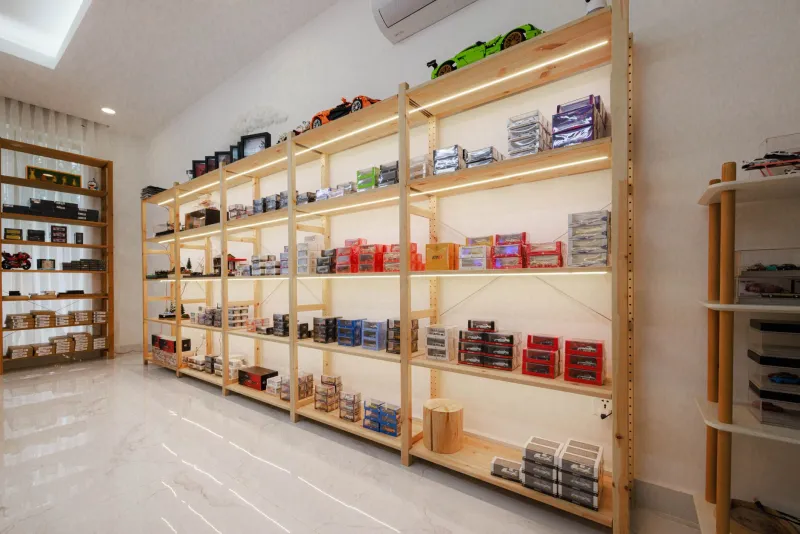
Social media didn't help. Displaying sealed boxes looks impressive in collection photos. It signals discipline, seriousness, wealth — you bought the thing and you're not even opening it. There's a status dimension to sealed collecting that has nothing to do with financial strategy and everything to do with how the hobby performs online.
The Hidden Costs Nobody Talks About
Here's what the sealed-is-always-better crowd tends to gloss over: keeping things sealed comes with its own set of risks and costs.
Packaging degrades. Cardboard yellows. Cellophane shrink-wrap gets brittle and discolored. Window boxes can warp with humidity changes. The "mint in box" condition you're preserving today might be noticeably less mint a decade from now, depending on your storage situation.
You're paying for storage you can't use. A figure in a box takes up more space than a displayed figure and gives you nothing visually in return. If you're in a smaller apartment — which describes a lot of collectors in US cities — that's a real trade-off.
The resale premium often doesn't materialize. This is the big one. For most modern anime figures, the secondary market premium for sealed versus opened and displayed in good condition is smaller than collectors assume. Unless you're dealing with highly sought-after limited editions from major manufacturers, the difference in resale value often doesn't justify years of storage and the opportunity cost of not actually enjoying what you bought.
When Sealed Actually Makes Financial Sense
To be fair, there are legitimate cases where keeping things sealed is the right call:
- Confirmed limited print runs from major manufacturers with no announced reissue plans, particularly from popular franchises with active collector demand.
- Event exclusives that were only available at specific venues (Comiket exclusives, Wonder Festival releases) where supply is genuinely fixed and demand is likely to grow.
- Vintage items where the original packaging is itself part of the collectible value — early 90s and 2000s merchandise where the box design has nostalgic significance.
- Items you purchased specifically as investments and have no personal attachment to displaying.
Notice what's not on that list: every figure you buy because you like the character, every standard retail release, every blind box you grabbed on a whim.
The Psychology Worth Examining
There's something worth sitting with here. The sealed mentality can be a way of avoiding a decision — if you never open it, you never have to commit to displaying it, to arranging your shelf, to fully owning the purchase. It exists in a kind of suspended potential where it could become anything.
Opening the box forces you to reckon with what you actually have and whether it belongs in your collection. That's mildly uncomfortable, which is probably why a lot of collectors avoid it.
There's also a loss-aversion component at play. Once opened, a purchase feels more permanent — harder to return (obviously), harder to flip, harder to pretend you might someday sell. Keeping things sealed preserves optionality, even if that optionality is mostly illusory.
What More Experienced Collectors Actually Do
Talk to collectors who've been in the hobby for a decade or more and you'll notice a pattern: most of them open their stuff. They've been through the sealed phase, done the math, and landed somewhere more pragmatic.
They keep sealed the small percentage of purchases that genuinely qualify — the true limited editions, the event exclusives, the pieces with documented appreciation potential. Everything else gets opened, displayed, and enjoyed. Because that's the actual point of buying it.
The shelf you can see and interact with every day gives you something that a stack of sealed boxes in your closet genuinely cannot: enjoyment of the thing you spent money on.
The Permission You Didn't Know You Needed
If you've got a box sitting unopened right now, ask yourself honestly: is it sealed because it's a smart financial move, or because opening it feels like a decision you're not ready to make?
For most collectors, most of the time, breaking the seal is the right call. Display your stuff. Enjoy your collection. Let your shelf actually look like your shelf.
The box was always just the packaging.