Chasing the Chase: How Limited Edition Anime Merch Became Both the Best and Worst Thing to Happen to Collectors

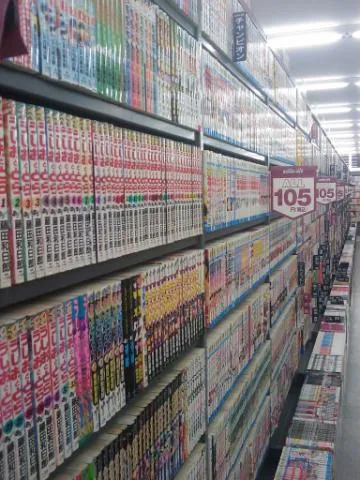
Photo: Miguel Discart & Kiri Karma, CC BY-SA 2.0, via Wikimedia Commons
There's a specific kind of panic that anime collectors know better than anyone. It hits at 11:58 PM on a Tuesday when you're watching a preorder window count down on your screen, credit card already in hand, wondering if this is genuinely something you want or if you're just terrified of missing out. If that scenario sounds familiar, welcome to the limited edition trap — and trust us, you're not alone.
Limited edition anime merchandise has become one of the defining forces in the hobby right now. It's exciting, it's exhausting, and depending on the week, it can feel like either the greatest thing ever or a slow-motion disaster for your wallet and your peace of mind.
The Scarcity Playbook: Why Manufacturers Do This
Let's be real about what's actually happening here. When a company like Good Smile Company drops a limited-run figure or Aniplex releases a numbered box set of only 3,000 units, they're not doing it purely out of artistic integrity. Artificial scarcity is a proven marketing tool. It creates urgency, generates buzz, and — critically — it allows manufacturers to charge premium prices without the usual pushback.
The economics are pretty straightforward. A standard production run requires a company to gamble on demand. A limited edition sidesteps that entirely. When supply is capped below demand, the product sells out fast, secondary market prices spike, and the brand gets free publicity from every fan complaining about missing it online. It's a tight little machine.
And here's the uncomfortable part: it works on us because we let it. The resale market doesn't just reflect demand — it amplifies it. When a figure hits StockX or eBay at three times retail the week after release, it sends a signal to every collector watching: this thing matters. Whether it actually does is almost beside the point.
FOMO Is Real, and the Industry Knows It
Fear of missing out isn't some weakness unique to anime fans — it's a documented psychological response that marketers across every industry exploit. But the anime collecting community has a few extra layers that make it hit harder.
For a lot of US fans, anime represents something genuinely personal. These aren't just products — they're tied to specific memories, formative shows, characters that meant something during a rough stretch of life. When a company releases a premium item tied to one of those shows in a limited run, the emotional stakes go way up. Missing it doesn't just feel like missing a toy. It can feel like missing a piece of your own story.
Manufacturers and licensors understand this deeply. That's why you'll see Bandai or Kotobukiya tie their most ambitious releases to anniversary events or franchise milestones. The nostalgia lever gets pulled at exactly the right moment.
What the Resale Market Actually Tells You
Here's a perspective shift that might save you some money: the secondary market price on a limited item isn't evidence of quality — it's evidence of marketing success. A figure that flips for $400 on the aftermarket isn't necessarily better than one you can buy at MSRP today. It just had better hype management.
That doesn't mean resale prices are meaningless. They are useful data. If a limited release holds or grows its value over two or three years, that's a reasonable signal that the item has genuine collector appeal beyond the initial drop frenzy. Items that spike at release and then crater within six months were almost always hype plays, and the fans who panic-bought at $350 know exactly how that story ends.
A good rule of thumb: wait 60 to 90 days after a limited release before deciding whether to chase it on the secondary market. The price will almost always soften once the initial FOMO wave passes.
Collecting Smart Without Playing the Scalper Game
Okay, so how do you actually navigate this without either missing everything or going broke? A few approaches that genuinely help:
Know your tier system. Not every limited item deserves equal energy. Decide in advance which franchises or characters are truly non-negotiable for you, and which ones you're just interested in. When a limited drop happens for a tier-two interest, let it go. Reserve your midnight refresh energy for the stuff that actually matters to your collection.
Use preorder alerts strategically. Services like Amiami, BigBadToyStore, and Crunchyroll's shop all have notification systems. Set them up for the things you actually care about and ignore the noise for everything else. The goal is to stop browsing limited releases and start targeting them.
Build relationships with local hobby shops. A surprising number of limited items — especially those distributed through US licensors — end up at brick-and-mortar anime shops with less competition than online drops. Your local shop might be sitting on allocation that never made it to Twitter.
Reframe what "complete" means. This one's psychological but it matters. A collection doesn't have to include every limited variant to be meaningful or impressive. Some of the most compelling collections are built around a clear curatorial vision rather than an obsessive need to have every version of everything.
The Flip Side: Why Limited Editions Are Also Kind of Great
For all the stress, let's acknowledge what limited editions actually contribute to the hobby when they're done right. The production quality ceiling on limited anime merchandise is genuinely higher than it was ten years ago — because manufacturers know collectors will pay for it when the scarcity justifies the price point. Figures that would never survive as mass-market products get made because the limited model makes them financially viable.
There's also something real about the community that forms around major limited drops. The shared experience of chasing something, trading information about restock rumors, or helping a fellow fan find an item they missed — that's a legitimate part of what makes this hobby feel like a community rather than just shopping.
Limited editions aren't going away. If anything, they'll keep expanding as more franchises discover how effective the model is. The collectors who thrive are the ones who figure out their own relationship with scarcity — who can feel the FOMO, acknowledge it, and still make a deliberate choice rather than a reactive one.
Your shelf should reflect what you love. Not what sold out fastest.